
Finding the right medical guidance is an important step towards maintaining good health. From fever and infections to diabetes, high blood pressure, thyroid disorders, and digestive problems, a general physician can help assess a wide range of health concerns and guide patients towards appropriate medical care.
If you are searching for an MD Medicine doctor in Indore, Dr. Ikraz Patel provides medical consultation for a range of adult health conditions. With an approach focused on symptom evaluation, appropriate investigations, and individual health needs, an internal medicine consultation can help patients understand their symptoms and determine the next steps in their care.
Conveniently located on Ring Road between Robot Square and Khajrana Square, the clinic is accessible to patients looking for a general physician in Indore and nearby localities.
Who Is an MD Medicine Doctor?
An MD Medicine doctor specialises in the evaluation and medical management of adult health conditions. Also known as an internal medicine physician, this doctor assesses symptoms, reviews medical history, considers existing medications, and recommends investigations or treatment based on clinical findings.
An MD Medicine doctor may help manage both short-term illnesses and chronic conditions that require regular monitoring. When symptoms suggest a condition requiring specialised care, the physician may also recommend referral to an appropriate specialist.
Dr. Ikraz Patel is an MD Medicine doctor and consultant physician in Indore. His areas of clinical interest include diabetes, hypertension, thyroid conditions, cardiovascular concerns, respiratory disorders, neurological symptoms, joint problems, and liver, kidney, and abdominal conditions.
Health Conditions Evaluated by a General Physician in Indore
1. Fever and Common Infections
Fever, body aches, headaches, weakness, and fatigue can occur due to infections and other medical conditions. The appropriate treatment depends on the underlying cause rather than the symptoms alone.
A general physician evaluates the duration of fever, associated symptoms, medical history, and examination findings to determine whether laboratory investigations or specific treatment are necessary.
Persistent fever, worsening symptoms, or fever accompanied by unusual drowsiness, breathing difficulty, or signs of dehydration requires prompt medical assessment. Avoid self-medicating with antibiotics, as they are not effective against viral infections.
2. Diabetes and Blood Sugar Management
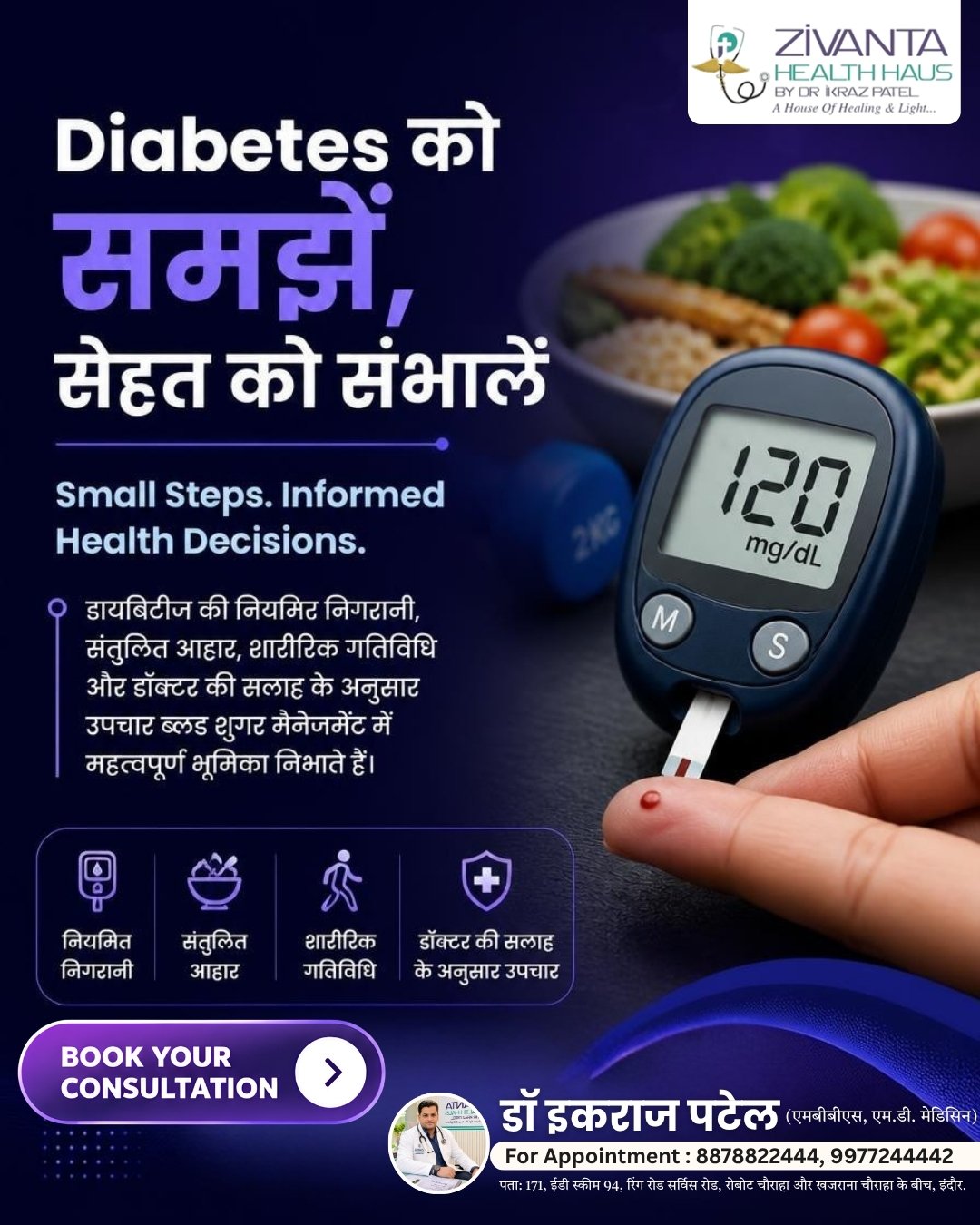
Diabetes is a long-term condition that requires appropriate monitoring and individualised medical management. Persistently elevated blood glucose levels can increase the risk of complications affecting the eyes, kidneys, nerves, heart, and blood vessels.
An MD Medicine doctor in Indore can review blood glucose readings, assess HbA1c results when indicated, evaluate prescribed medications, and discuss lifestyle factors that may affect glucose control.
A suitable management plan may include dietary guidance, physical activity, medication review, and periodic monitoring. People experiencing excessive thirst, frequent urination, unexplained weight changes, or persistent fatigue should discuss these symptoms with a healthcare professional.
3. High Blood Pressure and Heart Health
Hypertension, or high blood pressure, often develops without noticeable symptoms. Regular blood pressure measurement and appropriate follow-up can help identify the condition and guide its management.
During a consultation, a physician may assess blood pressure readings alongside cholesterol levels, blood glucose, family history, lifestyle, and other cardiovascular risk factors.
Patients with established hypertension may require regular monitoring, prescribed medication, and lifestyle modifications. Medication should not be stopped or adjusted without medical advice.
Sudden chest pain, severe breathlessness, or fainting with concerning symptoms requires urgent medical attention.
4. Thyroid and Hormonal Disorders
The thyroid gland plays an important role in regulating metabolism and several bodily functions. Thyroid disorders may affect energy levels, weight, heart rate, bowel habits, and tolerance to heat or cold.
Hypothyroidism, or an underactive thyroid, may be associated with tiredness, constipation, and increased sensitivity to cold. Hyperthyroidism, or an overactive thyroid, may cause palpitations, sweating, tremors, and unexplained weight loss.
A physician may recommend thyroid function tests and additional investigations when appropriate. Diagnosis and treatment depend on the clinical assessment, test results, and individual health requirements.
5. Respiratory and Lung Conditions
Respiratory symptoms such as coughing, wheezing, chest congestion, and breathlessness can be associated with infections, asthma, chronic lung conditions, allergies, and other medical problems.
A general physician assesses symptom severity, duration, medical history, and examination findings before deciding whether medication, investigations, monitoring, or specialist evaluation is required.
Persistent respiratory symptoms should be evaluated, especially in people with existing heart or lung conditions. Sudden or severe breathing difficulty requires emergency medical attention.
6. Digestive, Liver, and Abdominal Problems
Digestive complaints such as acidity, indigestion, bloating, constipation, diarrhoea, and abdominal discomfort can have several underlying causes.
A physician may review dietary habits, medication use, symptom patterns, and relevant medical history. Depending on the findings, treatment may involve lifestyle changes, prescribed medication, blood tests, imaging, or referral for further evaluation.
Liver-related conditions may require specific investigations and ongoing monitoring. Yellowing of the skin or eyes, persistent abdominal pain, blood in vomit or stools, and severe dehydration should receive prompt medical assessment.
7. Kidney, Joint, and Neurological Concerns
Changes in urination, swelling, joint pain, persistent headaches, numbness, or unusual weakness may require a detailed medical evaluation.
A physician may assess these symptoms alongside existing medical conditions, medication history, and relevant examination findings. Depending on the suspected cause, further investigations or consultation with a nephrologist, neurologist, orthopaedic specialist, or another specialist may be recommended.
Sudden facial drooping, difficulty speaking, or weakness on one side of the body may indicate a stroke. Seek emergency medical care immediately rather than waiting for a routine appointment.
Why Is Regular Health Monitoring Important?
Preventive healthcare can help identify certain health risks and support the management of existing medical conditions. The type and frequency of health assessments depend on age, family history, lifestyle, and individual medical needs.
A general physician may recommend appropriate monitoring of:
- Blood pressure and cardiovascular risk factors
- Blood glucose and diabetes control
- Cholesterol levels when indicated
- Kidney function in relevant clinical situations
- Thyroid function when symptoms or medical history warrant testing
- Existing chronic conditions and their treatment plans
Healthy lifestyle habits can also support long-term well-being. A balanced diet, regular physical activity, adequate sleep, avoidance of tobacco, and consistent use of prescribed medication can contribute to better health management.
Routine investigations should be selected according to clinical needs rather than undertaken indiscriminately.
When Should You Consult an MD Medicine Doctor?
Consider consulting a general physician if symptoms persist, recur frequently, worsen over time, or interfere with daily activities.
Medical consultation may also be helpful if you need guidance regarding diabetes, hypertension, thyroid disorders, recurring infections, digestive problems, or the monitoring of an existing chronic condition.
An early assessment can help clarify possible causes and determine whether treatment, further testing, follow-up, or specialist referral is appropriate.
For potentially life-threatening symptoms, including severe chest pain, sudden neurological changes, or serious breathing difficulty, seek emergency medical care immediately.
Consult Dr. Ikraz Patel – MD Medicine Doctor in Indore
If you are looking for an MD Medicine doctor in Indore, Dr. Ikraz Patel offers consultation for a range of adult medical concerns. A clinical assessment can help evaluate symptoms, review existing health conditions, and determine the appropriate next steps according to individual medical needs.
Whether you need medical guidance for fever, diabetes, blood pressure concerns, thyroid symptoms, respiratory complaints, or digestive problems, arranging a consultation can help you make informed decisions about your health.
Clinic Address
Dr. Ikraz Patel – MD Medicine | General Physician in Indore
171, ED Scheme 94, Ring Road Service Road, between Robot Square and Khajrana Square, Indore, Madhya Pradesh – 452016.
Appointment Contact
Phone: +91 99772 44442
Contact the clinic to enquire about appointment availability and consultation timings.
Patients searching for an MD Medicine doctor near Robot Square, a general physician near Khajrana Square, or a general physician in Indore can use the clinic’s address to plan their visit.
Frequently Asked Questions
1. What does an MD Medicine doctor treat?
An MD Medicine doctor evaluates a broad range of adult medical conditions, including diabetes, hypertension, thyroid disorders, fever, infections, respiratory symptoms, and digestive complaints. The appropriate care depends on the patient’s individual condition.
2. What is the difference between a general physician and an MD Medicine doctor?
A general physician provides initial evaluation and management of common health concerns. An MD Medicine doctor has postgraduate training in internal medicine and evaluates a wide range of adult medical conditions, including complex and chronic illnesses. The scope of practice may vary between individual physicians.
3. How can I find an MD Medicine doctor in Indore?
When choosing an MD Medicine doctor in Indore, consider relevant qualifications, the type of medical care offered, clinic location, and appointment availability. You can contact Dr. Ikraz Patel’s clinic to enquire about consultation details.
4. Should I consult a physician for diabetes and high blood pressure?
Yes. Both conditions may require regular monitoring and an individualised treatment plan. A physician can review relevant readings, assess risk factors, and guide appropriate management.
5. Where is Dr. Ikraz Patel’s clinic located?
The clinic is located at 171, ED Scheme 94, Ring Road Service Road, between Robot Square and Khajrana Square, Indore, Madhya Pradesh – 452016.
6. How do I book an appointment with Dr. Ikraz Patel?
Call +91 99772 44442 to enquire about appointment availability and consultation timings.
Conclusion
Maintaining good health involves recognising symptoms, seeking appropriate medical guidance, and following a suitable care plan. Whether you need an evaluation for a recent illness or ongoing support for a chronic medical condition, an internal medicine consultation can help guide your healthcare decisions.
For medical consultation in Indore, contact Dr. Ikraz Patel, MD Medicine, at +91 99772 44442 to enquire about an appointment.
Disclaimer: This article is intended for general health education and does not replace individual medical advice, diagnosis, or treatment.